Blog
Blog, page 2
Guides on research workflows, literature reviews and the real limits of AI tools, written by the team behind Otio, the AI research assistant.
Earnings Call Transcript Analysis: A Cited Workflow for Analysts

Perplexity Alternatives for Research: What to Use After Web Discovery
How to Use ChatGPT and Claude Together for Research
Podcast Summarizer With Citations: A Research Workflow for Audio Sources
Multi-Source Research AI: How to Compare PDFs, Web Pages, and Media

How to Take Notes From Multiple Sources Without Losing Citations

Otio vs NotebookLM for Research: Source Limits, Citations, and Long Projects
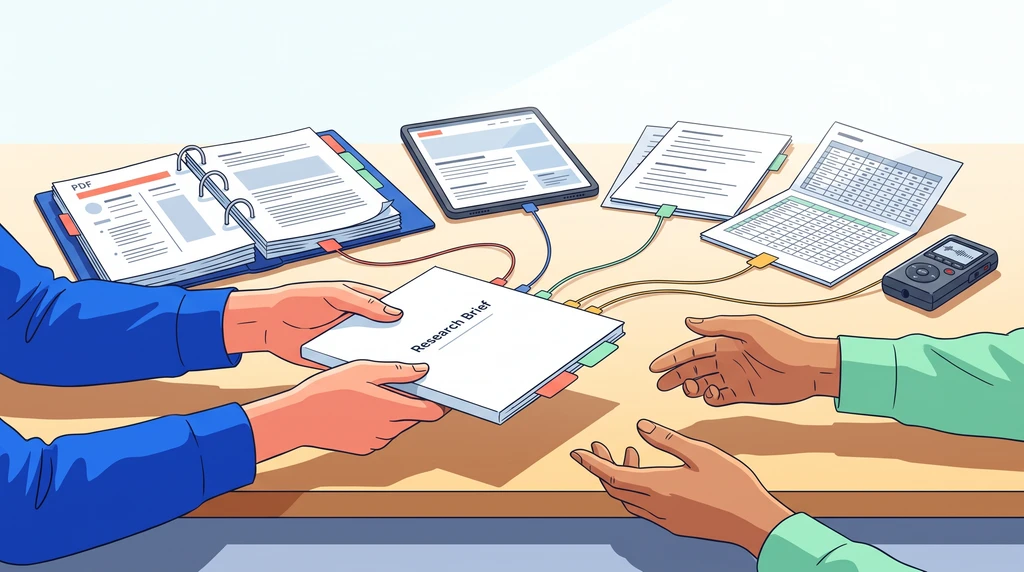
How to Create a Source-Linked Research Brief From Mixed Documents

Claude Project Limits: What to Do When a Research Workspace Stops Scaling
Elicit AI for Literature Reviews: What It Finds and Where to Work With the Papers Next

Connected Papers for Literature Review: Discovery First, Synthesis Next
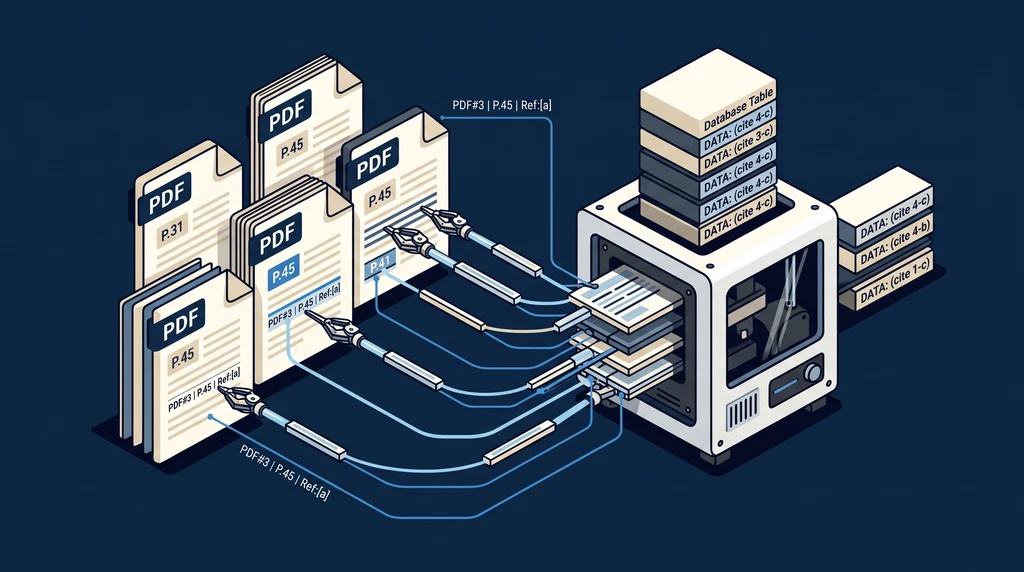
Extract Data From Multiple PDFs Without Losing Source References
NotebookLM File Upload Limit: What to Do With a Larger Research Corpus
Gemini File Upload Limit: What Researchers Can Do With Larger Source Sets
Medical literature review workflow: From Search Results to Cited Synthesis

How to Synthesize Research Papers From Different Sources

Readwise Reader vs Otio: From Saved Articles to a Permanent Research Library

How to Summarize Multiple PDFs With Citations and Source Context
How to Analyze Interview Transcripts: A Source-to-Evidence Workflow
Perplexity File Upload Limit for Research: What to Do With a Larger Source Set
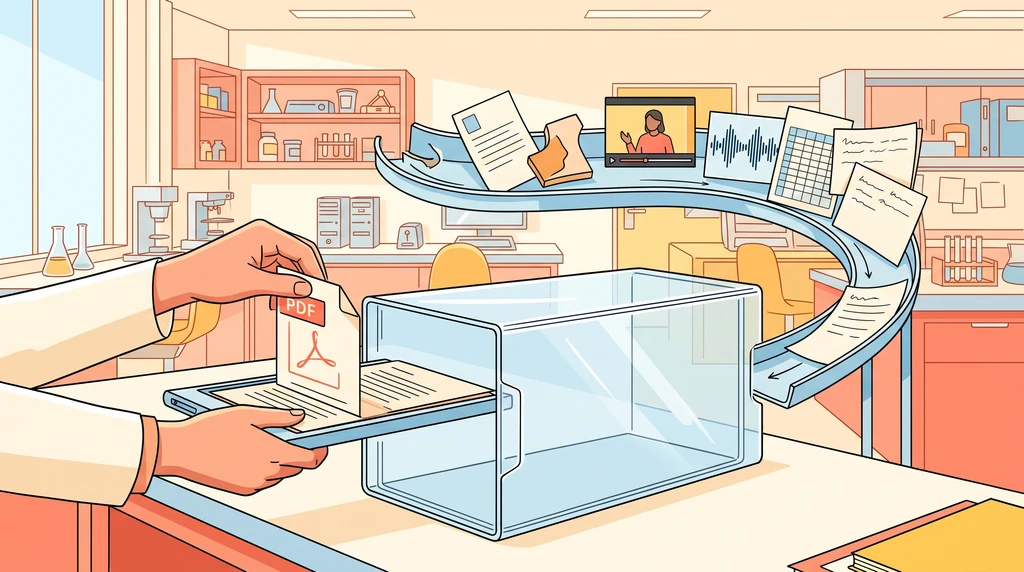
ChatPDF vs Otio: Which Research Workflow Fits a Multi-Source Project?
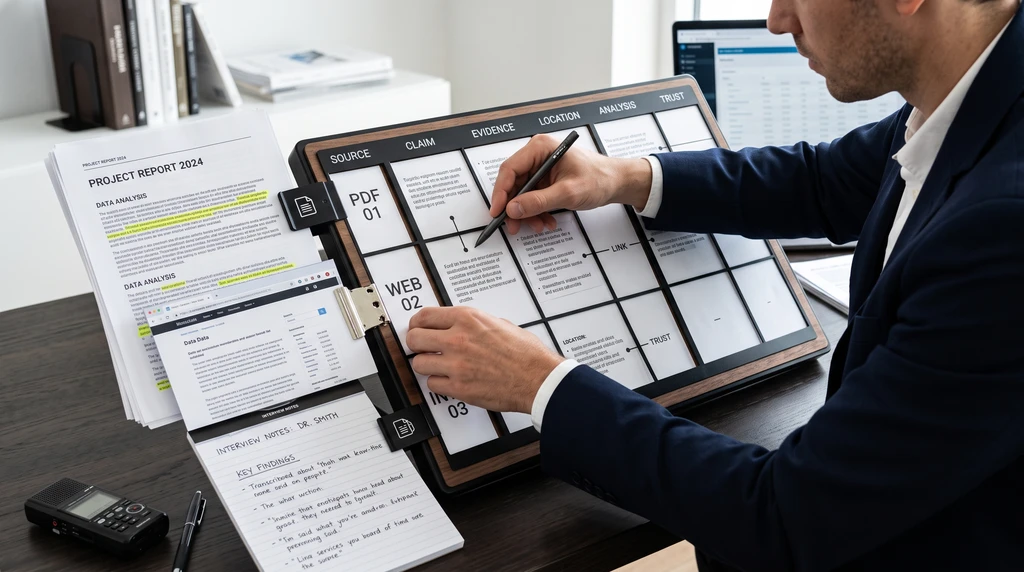
How to Build an Evidence Matrix From PDFs, Web Pages, and Interviews
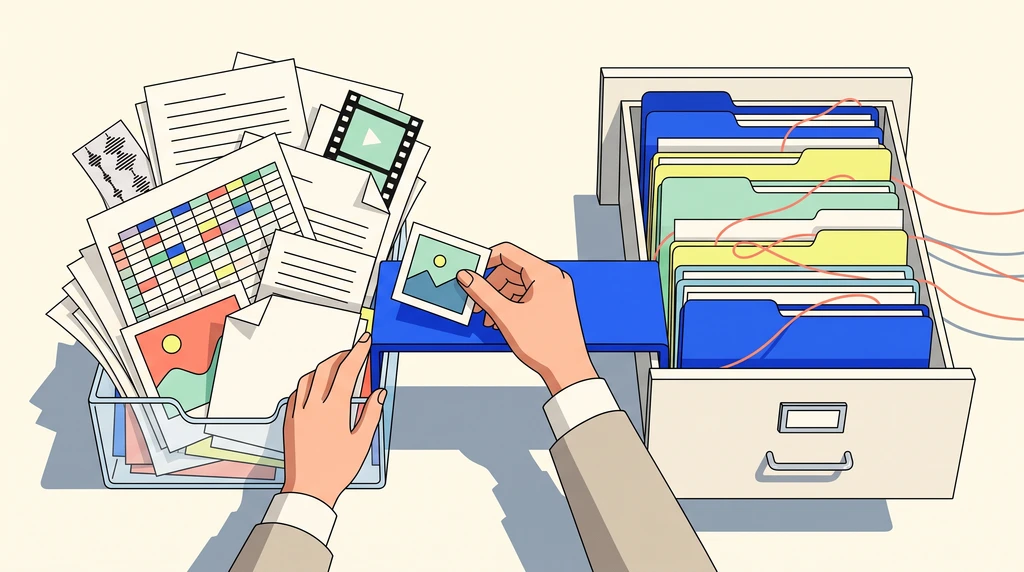
ChatGPT Project Limits: What Breaks in a Long Research Project and What to Use Next

How to Cite a YouTube Video in APA: Timestamps, Channels, and Reference Entries
Bring ten sources. Ask one question.
That is enough to see whether Otio earns a place in your work. Free to start, no card.
Start free